

2026-09-01
Packaging Trends 2026: 8 Trends Reshaping Beauty, DTC & Retail Packaging
Packaging is entering a new era.
For cosmetics, skincare, fragrance, supplements, DTC and retail brands, packaging is no longer simply a container that protects the product.
It increasingly has to perform several jobs at once: protect the product, communicate the brand, create an engaging customer experience, reduce material usage, support recycling and meet increasingly demanding packaging regulations.
As we move through 2026, eight trends are becoming especially important for brands developing their next generation of packaging.
1. Sustainability Is Moving From Marketing Claim to Packaging Requirement
Sustainable packaging has been discussed for years, but 2026 represents an important turning point.
The European Union's Packaging and Packaging Waste Regulation (PPWR) began applying on August 12, 2026, creating a more harmonized regulatory framework covering packaging throughout its life cycle.
Among its major objectives is making packaging placed on the EU market recyclable, reducing unnecessary packaging and encouraging greater reuse and refillability.
For brands, this means packaging development increasingly needs to consider sustainability from the beginning rather than treating it as a marketing feature added later.
Packaging teams should therefore evaluate:
-
material selection
-
recyclability
-
packaging weight
-
unnecessary components
-
empty space
-
material traceability
-
reusable or refillable opportunities
For paper packaging, this is increasing interest in responsibly sourced paper, recyclable paperboard structures, molded fiber inserts and simplified material combinations.
2. "Less Packaging" Is Becoming Better Packaging
Premium packaging was traditionally associated with more layers, more components and heavier materials.
That philosophy is changing.
Modern packaging engineering increasingly asks a different question:
How can we create the same premium experience using less material?
Lightweighting and structural optimization can reduce material consumption while potentially lowering transportation costs and improving packaging efficiency.
For e-commerce brands, right-sizing is especially important.
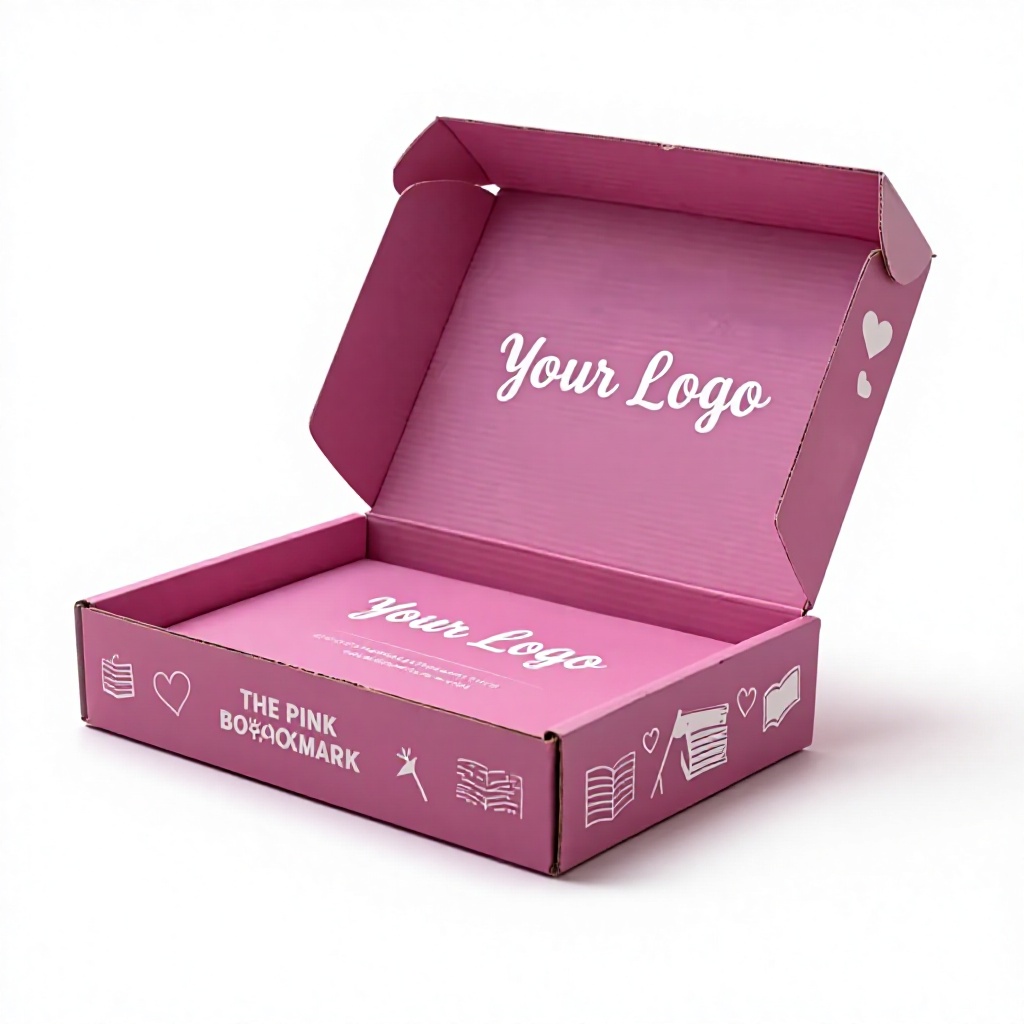
Oversized shipping boxes increase empty space and often require additional filling materials. A well-engineered mailer box can protect the product while reducing unnecessary volume.
The result can be packaging that is simultaneously more sustainable, economical and convenient.
3. Refillable Packaging Is Moving Into Premium Beauty
One of the most visible changes in cosmetics and fragrance packaging is the continued development of refill systems.
Beauty brands are experimenting with refillable jars, bottles, pouches and fragrance systems as they seek to reduce single-use packaging without losing the premium experience consumers expect.
The challenge is particularly interesting for luxury brands.
Sustainability cannot simply mean making packaging look inexpensive.
Instead, packaging designers are combining premium presentation with refillable primary containers and increasingly sophisticated paper-based secondary packaging.
This creates opportunities for structures such as:
-
premium folding cartons
-
rigid presentation boxes
-
molded fiber inserts
-
recyclable paper inserts
-
FSC-certified paper packaging
-
minimalist secondary packaging
The future of luxury packaging is therefore increasingly about achieving premium perception with smarter material use.
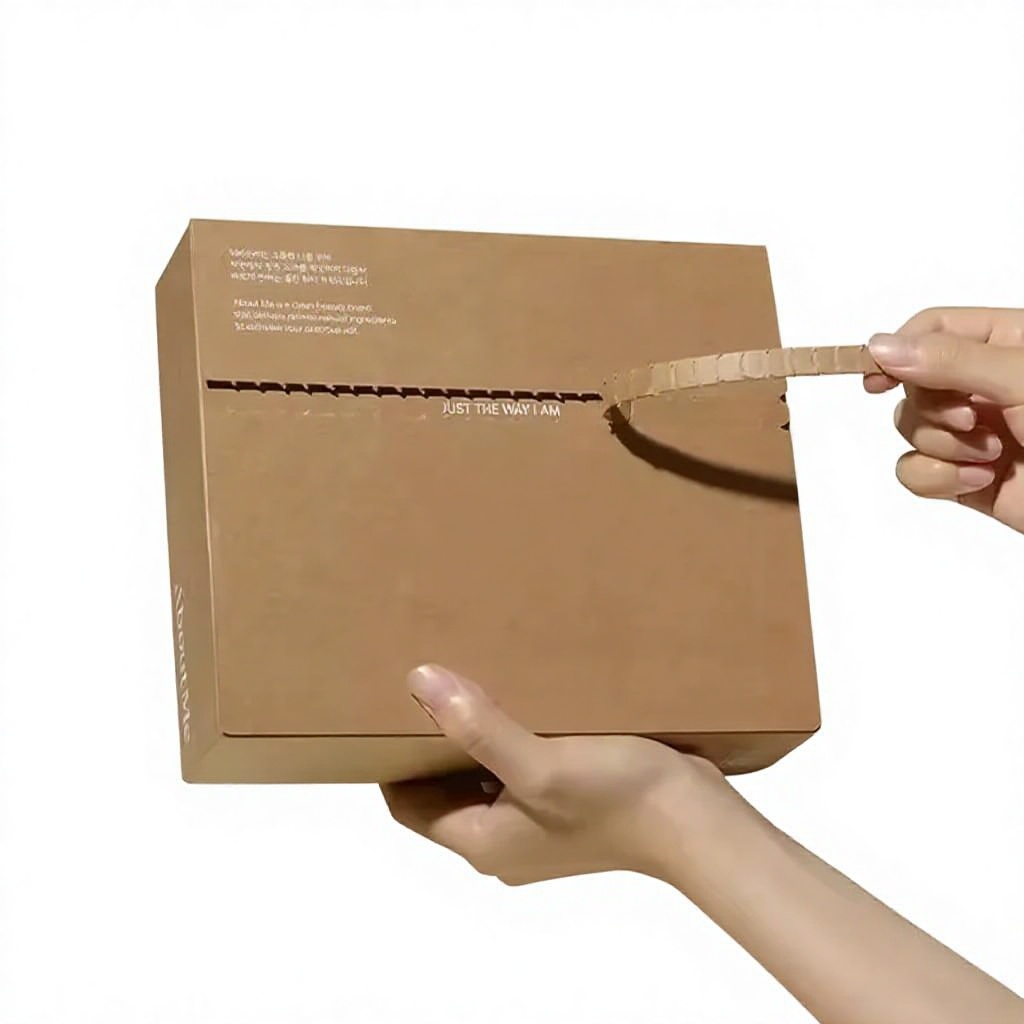
4. Unboxing Is Becoming Part of Product Design
For a traditional retail product, the shelf is one of the most important customer touchpoints.
For DTC and e-commerce brands, the customer's home has become the shelf.
That makes the shipping and unboxing experience increasingly important.
A custom mailer box can communicate the brand before the customer even sees the product.
Interior printing, carefully designed product presentation, personalized messages, inserts and intuitive opening structures can turn a shipping box into a brand experience.
But successful unboxing does not necessarily mean adding more packaging.
The strongest approach is often a carefully engineered sequence:
Open → Discover → Understand → Experience → Share
For subscription brands in particular, this experience is repeated every month, making packaging an important part of customer retention and brand recognition.
5. Packaging Is Being Designed for Social Media
Today's packaging often needs to look good in two completely different environments:
in the customer's hands and on a smartphone screen.
TikTok, Instagram, YouTube and other visual platforms have made packaging part of the content surrounding a product.
Distinctive opening mechanisms, interior printing, tactile finishes and unexpected product reveals can make packaging more memorable and shareable.
This is particularly relevant to:
-
cosmetics
-
skincare
-
fragrance
-
jewelry
-
wellness products
-
subscription boxes
-
influencer products
-
DTC brands
Packaging development therefore increasingly considers the "camera moment" as well as the traditional retail shelf.
6. Smart Packaging Is Turning the Box Into a Digital Touchpoint
Packaging is also becoming connected.
QR codes, NFC and RFID technologies can connect physical packaging with digital information and services.
Depending on the product and application, connected packaging can help brands provide:
-
product authentication
-
usage instructions
-
recycling information
-
traceability
-
product registration
-
loyalty programs
-
subscription management
-
reordering
-
exclusive digital content
For a skincare brand, for example, a QR code could connect customers to detailed application instructions.
For supplements, it could provide additional product information or traceability.
For a subscription brand, packaging could connect customers directly to account management or the next purchase.
Packaging is therefore gradually evolving from a static container into a physical gateway to a digital brand experience.
7. Supplement Packaging Must Balance Sustainability With Protection
Nutraceutical and supplement packaging faces a particular challenge.
Consumers increasingly want convenient and sustainable packaging, but the packaging must still protect products against factors such as moisture, oxygen and physical damage.
Current innovation is therefore focusing on finding a better balance between:
Convenience + Protection + Sustainability
Portable and portion-controlled formats continue to attract attention, while brands are also exploring recyclable structures, refill systems, fiber-based components and material reduction.
For secondary paper packaging, structural engineering can also help reduce unnecessary material while maintaining product organization, protection and shelf presentation.
This is especially relevant for premium vitamins, collagen products, functional nutrition, wellness products and subscription supplement brands.
8. Packaging Is Becoming a Strategic Brand Investment
Perhaps the biggest packaging trend of 2026 is not a material or technology.
It is the changing role of packaging itself.
Brands increasingly evaluate packaging across the complete product journey:
Manufacturing → Transportation → Retail/E-commerce → Unboxing → Consumer Use → Recycling
Good packaging therefore needs to balance multiple objectives:
Branding + Protection + Cost + Sustainability + Logistics + Customer Experience
That requires packaging suppliers, designers and brands to collaborate earlier in the development process.
Instead of asking only:
"What box should we use?"
Brands increasingly need to ask:
"What packaging system best supports our product, customer experience, logistics and sustainability objectives?"
What This Means for Brands Developing Packaging in 2026
For brands planning a new product launch or redesign, five questions are worth asking:
-
Can we reduce packaging material without reducing protection?
-
Can consumers easily understand how the packaging should be recycled?
-
Is the packaging optimized for shipping and fulfillment?
-
Does the unboxing experience reinforce our brand positioning?
-
Can the packaging structure support future regulatory and sustainability requirements?
Answering these questions early can prevent expensive redesigns later.
Building Better Packaging for the Next Generation of Brands
At Top Packaging Group, we work with brands across cosmetics, skincare, fragrance, supplements, DTC, e-commerce and retail to develop custom paper packaging solutions.
Our capabilities include custom e-commerce mailer boxes, corrugated boxes, folding cartons, premium rigid boxes, cosmetic boxes, perfume boxes, paper tubes and other customized paper packaging.
From structural engineering and material selection to prototyping, printing, finishing and managed production, our goal is to help brands develop packaging that balances premium presentation, protection, sustainability and commercial practicality.
If you are developing a new packaging project for the European, North American or Australian market, our packaging team can help you evaluate materials, structures and production options for your next launch.
Talk to our packaging specialists about your next custom packaging project.